
What Nobody Tells You About Backyard Chickens Before You Start
Discover the surprising realities of chicken ownership that catch most beginners off guard—from predator threats to zoning laws and seasonal changes.
The Hidden Costs and Commitment Beyond the Instagram Photos
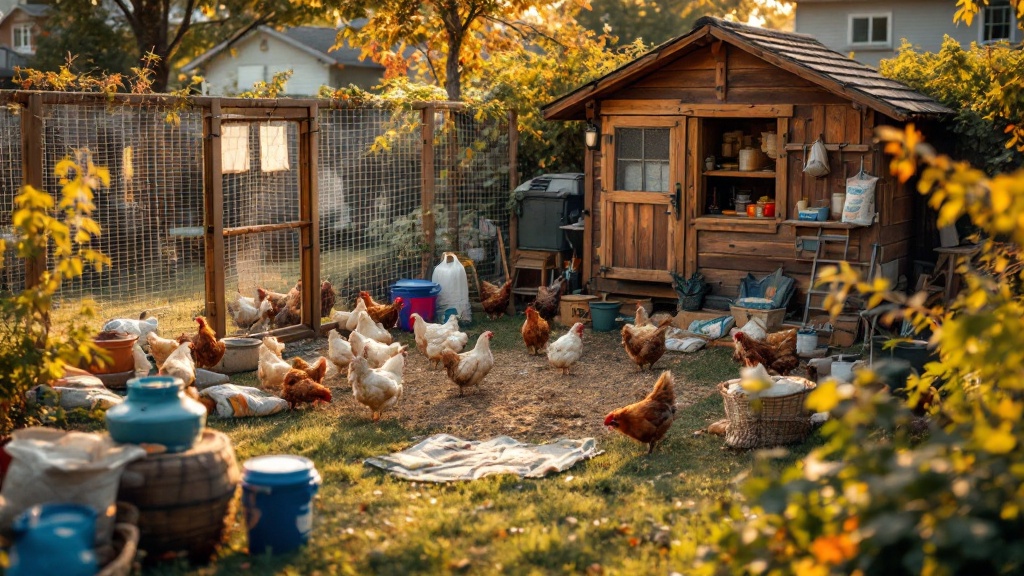
Social media makes backyard chickens look like a simple weekend project, but the homesteading reality is far more complex. Most beginners underestimate the daily time commitment required—chickens need fresh water twice daily in summer, coop cleaning weekly, and health checks to catch issues early. The initial setup costs extend beyond the coop itself: predator-proof fencing, feeders, waterers, bedding, heat lamps for winter, and cooling solutions for summer can easily exceed $1,000 before your first egg arrives.
The financial surprises continue with feed costs (approximately $20-30 monthly for three hens), veterinary care that's harder to find than for cats or dogs, and the reality that hens stop laying during winter months when daylight decreases. Many urban farming enthusiasts discover too late that their municipality requires permits, imposes flock size limits, or prohibits roosters entirely. These beginner mistakes—assuming chickens are low-maintenance or that regulations don't apply—lead to abandoned coops and rehomed birds. Understanding these realities upfront helps families make informed decisions about whether chicken ownership aligns with their lifestyle and budget.
Predators, Health Issues, and the Challenges Nobody Mentions
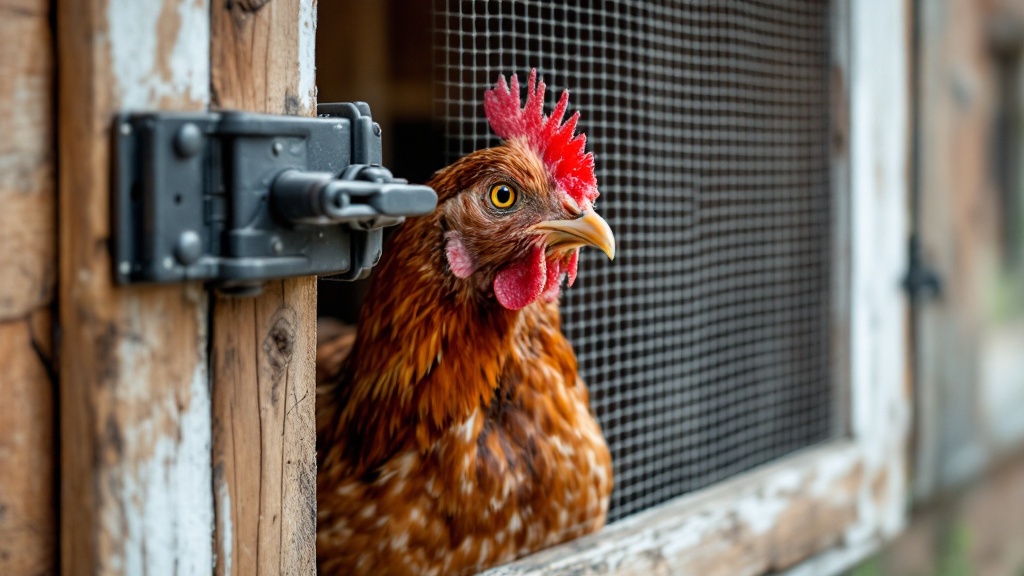
Even in suburban neighborhoods, predators pose a constant threat that catches new chicken owners completely off guard. Raccoons can unlatch simple coop doors, hawks survey backyards during daylight hours, and neighborhood dogs may see your flock as prey. Rats are attracted to chicken feed, creating a secondary problem that requires careful feed storage and coop design. The predator pressure means you can't simply set up a coop and forget it—hardware cloth (not chicken wire) must cover every opening, locks need to be predator-proof, and vigilance becomes part of your daily routine.
Health challenges add another layer of complexity to chicken ownership. Hens can suffer from egg binding, respiratory infections, mites, and bumblefoot—conditions that require knowledge to identify and treat. Finding an avian veterinarian proves difficult in many areas, and treatment costs often exceed the bird's monetary value. Chickens also have shorter productive lives than most people expect; while they may live 8-10 years, egg production drops significantly after year three. The emotional attachment families develop makes the decision about aging hens difficult—they become pets, not just egg producers, creating ethical dilemmas about their care when laying stops.
Testing the Waters: A Smarter Approach to Backyard Chickens
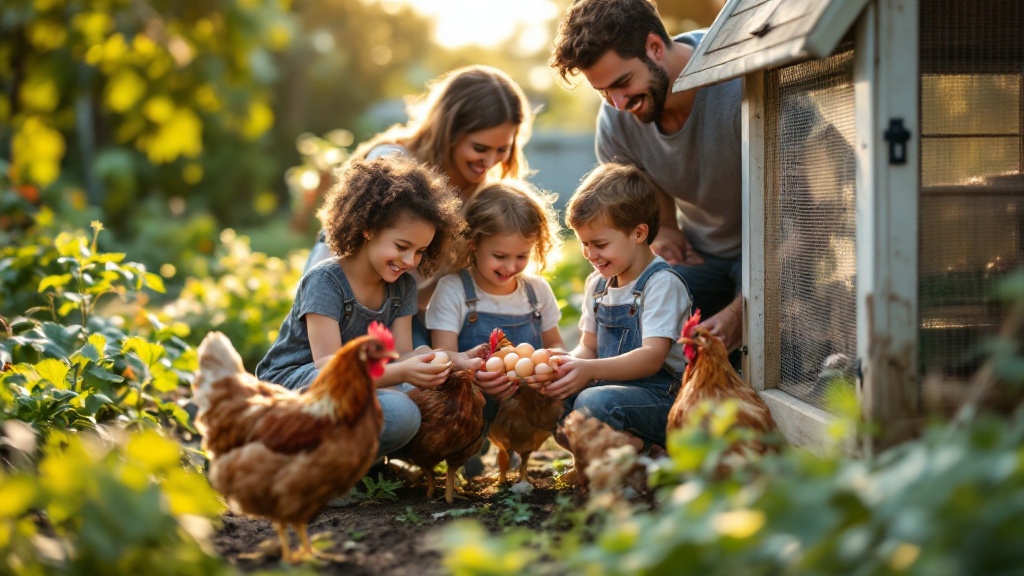
Given these challenges, the traditional path to chicken ownership—buying chicks, building permanent infrastructure, and committing before you truly understand the lifestyle—carries significant risk. Many families discover after six months that the reality doesn't match their expectations, leaving them with expensive equipment and birds they need to rehome. The gap between the romanticized vision of gathering fresh eggs and the daily grind of predator protection, health monitoring, and winter care proves too wide for many households.
This is precisely why trying before buying makes sense for aspiring chicken keepers. Services like CluckLease Homestead allow families to experience the complete chicken ownership cycle—daily care routines, seasonal egg production changes, predator concerns, and time commitments—without permanent infrastructure investment. Renting three hens for a summer season with full delivery, setup, and pickup services lets you discover whether backyard chickens truly fit your lifestyle. You'll learn firsthand about beginner mistakes in a low-stakes environment, understand local zoning restrictions by working with them temporarily, and make an informed decision about permanent chicken ownership. If the experience exceeds expectations, you'll transition to ownership with realistic knowledge; if challenges prove overwhelming, you've avoided costly mistakes while still enjoying the urban farming experience.